How the Dota 2 Workshop Works
How creators submit Dota 2 cosmetics, and how buyers find the released item.
Project editor:GrassKnuckles

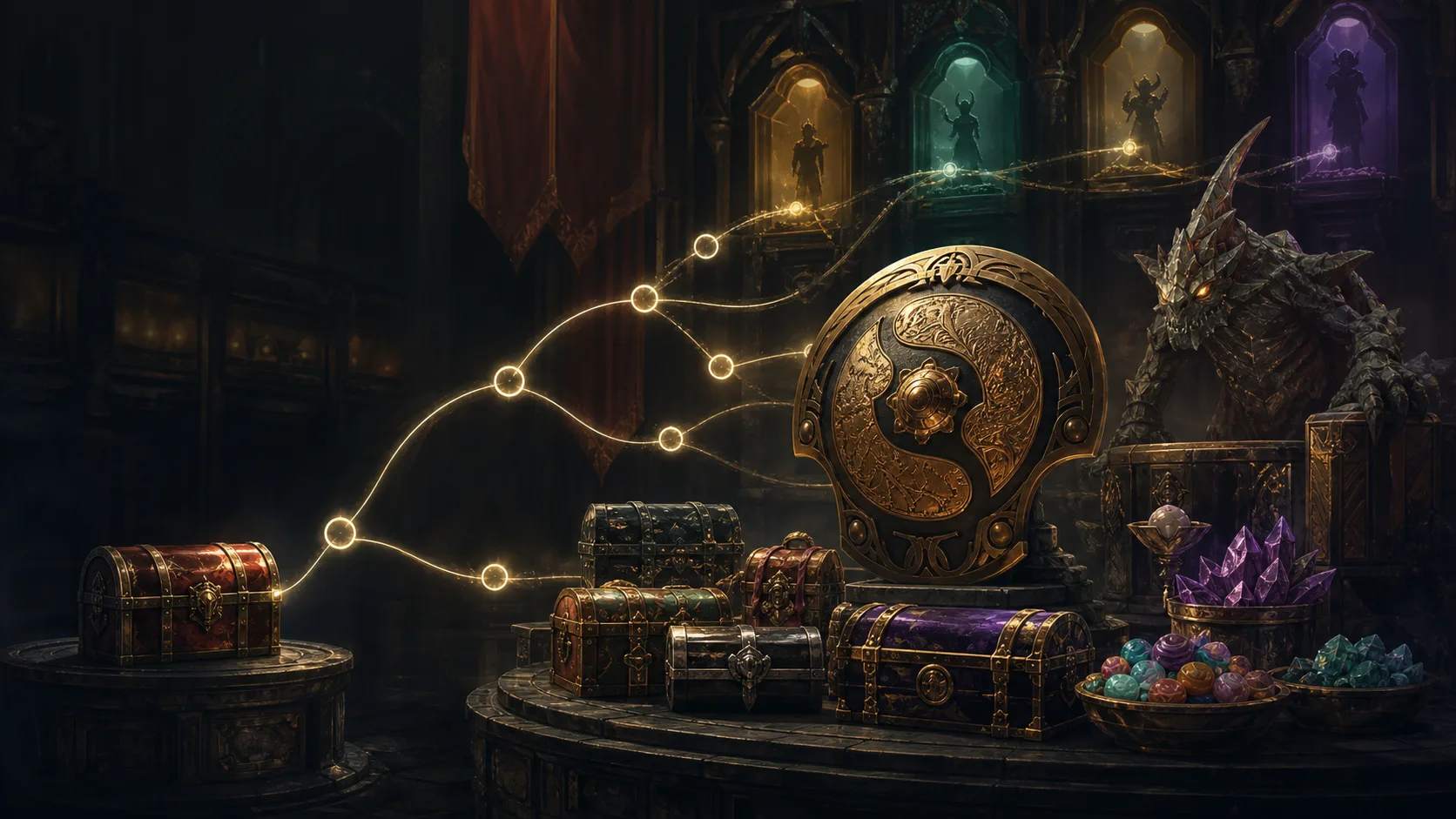
The Dota 2 Workshop is where creators submit cosmetic designs for heroes and other items. A submission is a proposal, not an item you can buy or equip. Votes do not create inventory copies or guarantee selection. Creators should start with the technical references for their hero. Buyers should look for the released item, not a concept title.
Your hero and slot decide your starting files
Valve’s requirements provide hero-specific references, model and texture budgets, and rigging guidance. Read your category before modelling: a ward or courier has its own limits, separate from a hero weapon’s. Requirements change, so check that page for current numbers; this guide lists none.
Write a short asset brief: hero, replaced slot, required parts, reference version and the visual changes you intend. The hero must stay readable at gameplay distance, so test the silhouette, deformation and clipping in the supported authoring process instead of relying on a flattering static render.
Count the parts your proposal actually supplies
Imagine a concept render with five cosmetic slots, but a submission that contains only a weapon and a head item. It supplies two parts, not five. The example is made up, but the scope check applies to any project. Label borrowed base equipment and any missing effects honestly in your presentation.
Keep model, texture and submission versions together so you can identify each revision, and follow the supported submission flow for your category. Technical checks help you prepare a submission, but selection, revenue and release timing are out of your hands.
For buyers: find the released item
A concept may be renamed, changed or never released. Search for the final cosmetic’s exact name and check whether it is a bundle or separately named pieces. A released bundle can differ from the effects in the original render. Use the item list to find the item, check its price in the price table, and read the in-game description for contents and eligibility.
A high vote count shows interest in a submission, not demand for an existing market item. Avoid buying an unrelated cosmetic because a concept supposedly confirms an upcoming release or a price rise.
Track the three stages separately
Treat submission, selection and release as separate stages. For a creator, that keeps the project status clear. For a buyer, only the released item and its current contents show what you can get. The event timeline guide separates claim and transfer dates from the date the artwork was published.