Dota 2 Item Rarities Explained: Tiers, Quality and Price
The Dota 2 rarity order, what each tier contains and how rarity differs from quality and price.
Project editor:GrassKnuckles

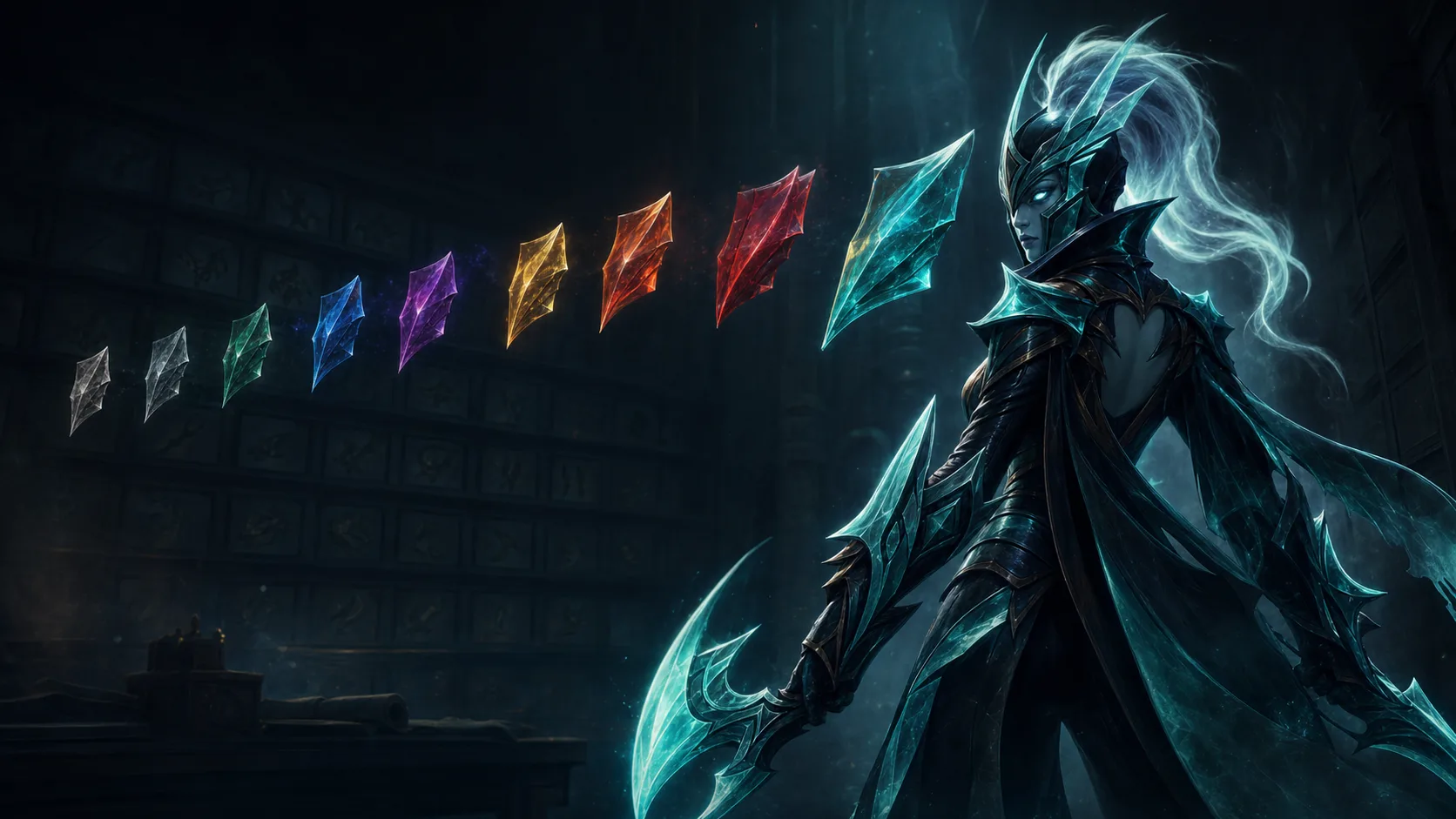
Dota 2 cosmetic rarity runs Common → Uncommon → Rare → Mythical → Legendary → Immortal → Arcana, with Ancient and Seasonal as special labels outside that ladder. Rarity is the tier of a cosmetic. It is separate from quality (Standard, Inscribed, Unusual) and from price. Arcana tops the ladder, and each tier name below links to its item list.
Dota 2 rarity chart: tier order and colours
| Tier | Colour | What it usually contains | Example |
|---|---|---|---|
| Common | Pale grey-blue | Basic wearables, player cards, pennants, loading screens | Taunt: Doom Shreds |
| Uncommon | Light blue | Single-slot wearables, stickers, loading screens, some wards | Single wearable pieces |
| Rare | Blue | Many set pieces, taunts, wards, event drops | Infernus |
| Mythical | Purple | Full hero sets, most couriers, announcers, wards | Axolotl (courier) |
| Legendary | Pink-magenta | Premium sets and effects, a few top couriers | Baby Roshan |
| Immortal | Gold | Treasure and Battle Pass pieces with effects, gems and styles | Dragonclaw Hook |
| Arcana | Green | Hero-wide makeovers: model, animations, icons, sounds | Fiery Soul of the Slayer |
| Ancient | Red | Special-event items from limited releases | Elder The Defense Season 2 War Dog |
| Seasonal | Yellow | Tools and effects tied to a season or event | Pumpkin Head |
The Dota 2 Wiki and Liquipedia list the same order, with Ancient and Seasonal placed after Arcana. Our rarity overview shows every tier with item counts and price ranges, updated daily.
What each tier means in practice
Common to Rare is the everyday range: single wearables, loading screens, taunts and the pieces that fill out most hero sets. Mythical and Legendary hold the headline items of premium sets, plus couriers, announcers and wards. Immortal and Arcana are the top of the ladder. Immortals come mainly from treasures and Battle Passes. Arcanas are Valve’s flagship cosmetics, built for one hero.
Ancient and Seasonal follow different rules. The Dota 2 Wiki describes Ancient items as coming from special events and no longer obtainable. Seasonal items are made for seasonal events, and some expire. Check the release behind either label before you compare it with a main-ladder tier.
Legendary vs Mythical
Mythical sits one step below Legendary and holds far more cosmetics. It is where most full hero sets, couriers, announcers and wards live. Legendary is a small tier of premium sets, effects and a handful of top couriers, such as Baby Roshan. A Legendary piece usually carries bigger visual effects than a Mythical one, but it is not always the more expensive item. Hero popularity and supply decide that.
Immortal vs Arcana
Immortal pieces change one part of a hero, often with a special effect, gems or unlockable styles. An Arcana rebuilds the whole hero look with new models, animations, icons and sounds, so it ranks above Immortal. Pick an Immortal if you want one standout piece, and an Arcana if you want a full transformation. The Arcana release timeline shows when each one launched.
Rarity is not quality
Rarity names the tier. Quality names the version. Inscribed Dragonclaw Hook is an Immortal wearable for Pudge in Inscribed quality. “Immortal” is the tier, “Inscribed” is the version that tracks stats, and “wearable” is the item type. Autographed items carry a named autograph rune. Browse the labels on the qualities page, and read Valve’s Three Spirits page for how gems and quality changes work.
The tier stays the same across qualities: Dragonclaw Hook is Immortal in Standard and in Inscribed. The same base item can appear in several qualities, each with its own listing and price. Always compare your item with the same quality, not just the same name.
Treasures and bundles have a tier too
A chest or bundle carries its own rarity label, and it does not tell you the tier of what is inside. Immortal Treasure I 2017 is an Immortal-tier treasure. Crownfall Treasure I is Mythical. Some old holiday chests are only Rare. Open a treasure for the items, and judge each item by its own tier. When you compare a bundle with a single piece, count what is in the bundle first. The treasures guide explains how chests work.
How to find items by tier
Use the tier links in the chart above to browse a whole rarity, sorted by price or hero. Each item page shows its tier, quality, type and hero in one place, so you can confirm you are looking at the right version. If you only know a name, find it in the item catalog and open the page that matches the full name, including any quality prefix.
Dota 2 Arcana price: what to expect
Arcanas sit among the most expensive cosmetics, but the price varies a lot between heroes and between versions. Some Arcanas also appear in Exalted quality as a separate listing, such as Exalted Frost Avalanche. Open the Arcana list from the chart above to sort by price or hero, then check the style you want on the item page. Prices update daily, so use the list for the current number.
Does a higher rarity mean a higher price?
No. Rarity describes the tier of a cosmetic, not how many copies exist or what buyers will pay. Demand, hero popularity, how the item was released and its quality all matter. A Mythical set for a popular hero can cost more than a Legendary piece for a rarely played one. Use rarity to narrow your search, then compare listings on the price table.
A five-step check before you buy
- Pick the hero and slot, or a global item such as a courier or ward.
- Match the exact name on the item page, not only the picture.
- Compare quality, gems and unlocked styles.
- Decide whether you are buying a full bundle or one piece.
- Compare prices on the same marketplace and read the final checkout amount.
Quick answers
What is the order of Dota 2 rarities?
Common, Uncommon, Rare, Mythical, Legendary, Immortal, Arcana. Ancient and Seasonal are special labels outside that ladder.
What is the highest rarity in Dota 2?
Arcana is the top tier of the main ladder. Ancient items come from special events and are a separate category.
Is Legendary better than Mythical?
Legendary is the higher tier, with fewer items and bigger effects. A Mythical item can still cost more if its hero or set is in demand.
Is Immortal higher than Legendary?
Yes. Immortal is the tier directly above Legendary, and Arcana is the tier above Immortal.
What does Ancient rarity mean?
Ancient marks items from special events that are no longer obtainable, according to the Dota 2 Wiki. It sits outside the main seven-tier ladder.
What colour is each rarity?
Common is pale grey-blue, Uncommon light blue, Rare blue, Mythical purple, Legendary pink-magenta, Immortal gold, Arcana green and Ancient red.